Tag Archives: stigma

The fact remains; chauvinism is prevailing. — Emma Bonino

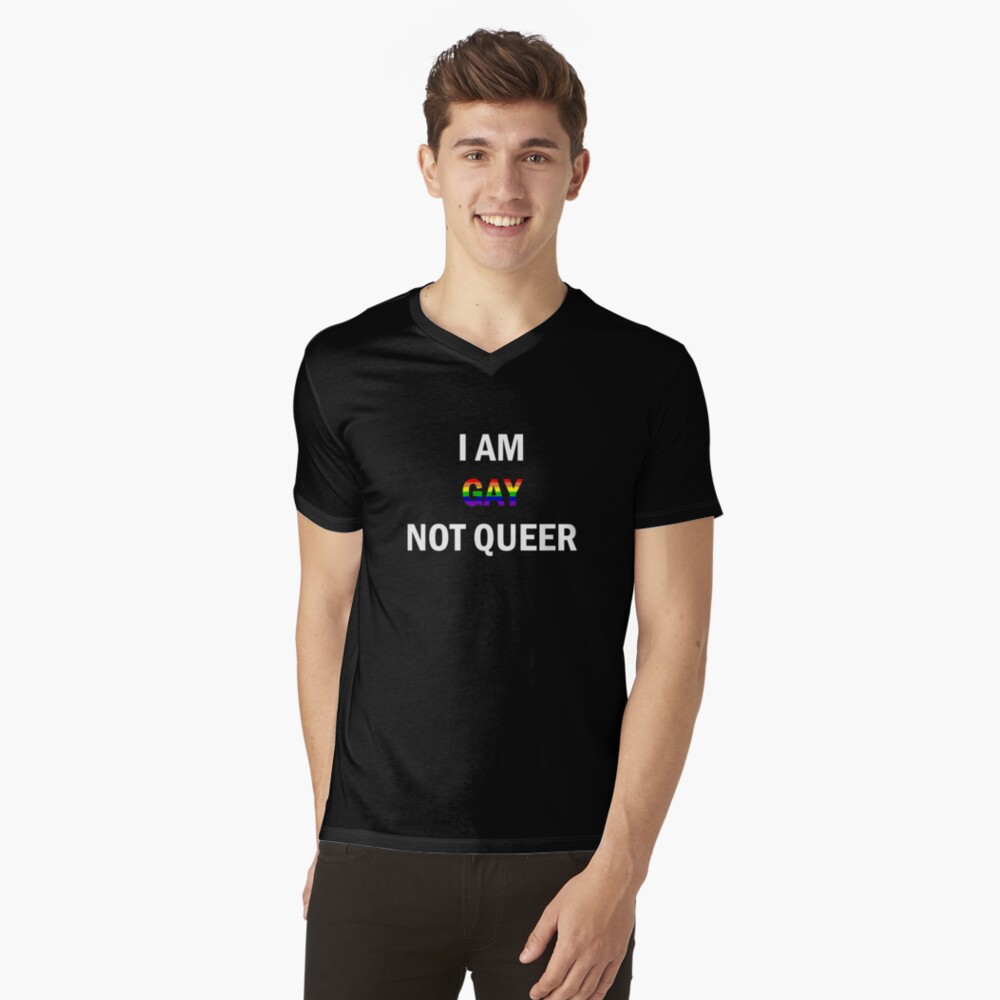
I lurk on the Facebook page of a Canadian queer activist. I never knew he existed until he appeared unexpectedly on my news feed. I am a liberal-minded man; I believe in liberalism, pluralism, and equality in law and opportunity instead of collectivism and diversity, equity and inclusion. I don’t like what he says, and I find his attitude and behaviour contemptible. He makes me think of my fieldwork when I studied the sociology of religion and religious studies at Queen’s University in the 1980s. I interacted with various Christian faith communities, Orthodox, Roman Catholic, and Protestants. I met many people, some of whom were the worst hypocrites. The man in question is the archetypal example of a religious hypocrite. His smug self-righteousness is insufferable. He reminds me of Jerry Falwell’s unctuous self-righteousness; he is unbearable. What is worse is his bigotry. He does not listen to his critics. He dismisses them as anti-queer chauvinists and haters, promptly blocking them. If push came to shove, he would happily try to cancel them.

Continue reading
You can’t just look at someone and guess their sexuality. There’s no point in assuming that every gay man has just one personality type. — Cameron Monaghan

I had a similar experience to the one dramatized in the video. It was in the late spring, early summer of 1980. I had graduated from high school and eagerly looked forward to enrolling at Queen’s University in the Fall. I served as a Reservist in the Canadian Army in an artillery regiment in Ottawa and made friends with another young man I met in the unit. We became fast friends. I made friends with that man and others in my regiment. Still, I was ribbed, called the “Regimental Fag” in the banter among the ranks. When I came to the Christmas Party in 1979 with a young woman for my date, I was asked, “So, you like girls?” We spent time alone together at his mother’s house. We sat on the living room floor and listened to Beatles records on the stereo. I remember my overwhelming desire for him; I wanted to throw my arms around him and kiss him. I did not understand why I felt that way, which was horrifying. I dared not try it as that would have gone badly for me (assuming he was not gay or did not return my feelings). Had I been singled out as a homosexual in 1980, it would have meant dismissal from the Service. I would likely have lost my friends and become the butt of salacious gossip. 

Continue reading

Panic is a sudden desertion of us, and a going over to the enemy of our imagination. — Christian Nestell Bovee

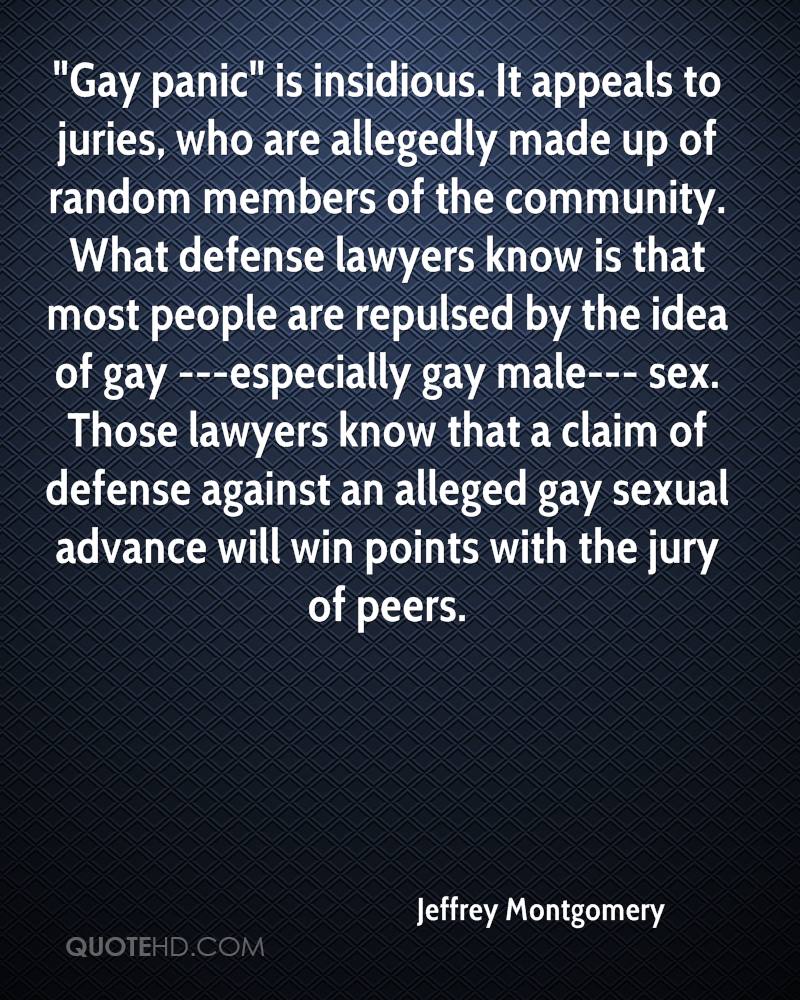
Though I always knew I was gay, it was not until the spring of 1989 that I accepted the reality. It was after a weekend visit with my friend and confessor, Father Basil Zion, a Russian Orthodox priest on the faculty of Religious Studies at Queen’s University, my alma mater. It was Father Basil who convinced me I should be true to myself. With newfound confidence, I took my first tentative steps out of the closet. I did not declare my homosexuality to the world at large. I made my first visit to the GO Centre, the gay community centre in Ottawa at the time. I started reading the local gay newspaper. Things were off to a good start, but my confidence took a hit when I read an article in the newspaper on a murder trial in Texas that sent a chill down my spine. In December 1988, Richard Lee Bednarski, an 18-year-old college student, was convicted of the murder of two gay men, Tommy Lee Trimble, 34, and Lloyd Griffin, 27. Berdanski was sentenced to thirty years in prison for his crime. It looked as though justice was seen to be done at face value–even though his crime merited a life sentence. However, in handing down his judgement, District Judge Jack Hampton openly expressed his disdain for the victims as they were gay.
 
In Hampton’s view, the fact that the victims were gay made it a lesser degree of murder. That and their killer was a good boy, a college student with no criminal record–it was only his first murder after all. He reached his conclusion despite the evidence that “he (Bednarski) and a group of North Mesquite High School students drove to Dallas’ Oak Lawn area to harass homosexuals the night of May 15.” The motive for his crime was the harassment of gay men. (AP News) As Hampton mused following the trial,
 
″These two guys that got killed wouldn’t have been killed if they hadn’t been cruising the streets picking up teen-age boys. […] I don’t much care for queers cruising the streets picking up teen-age boys […] I’ve got a teen-age boy. […] These homosexuals, by running around on weekends picking up teen-age boys, they’re asking for trouble. […] They really are.” (AP News)
 
The news report was a grim reminder that many still view gay men as predators who target adolescent boys for sex. As I said in previous posts, growing up gay, the onus on gay men my age was to prove to the broader society we are not perverts. Yes, the stigma of being a gay man lingered well into the 1980s. In fact, in 1980, when I served as a Reservist in the Canadian Army, I remember a fellow Reservist who spoke openly about going with friends to “roll the faggots” at Majors Hill Park in Ottawa. Also, in the spring and summer of 1989, several men were murdered in Ottawa. Their attackers killed them because they thought they were gay. At least one of the murdered men was not gay, not that it matters. The police investigated the murders, and charges were laid against the assailants who went to prison.
 
Looking back, I was not comfortable accepting my homosexuality as living with the stigma of being a gay man remained a heavy burden. Over time, however, through the hard work of brave gay individuals and the gay rights and human rights groups who supported them, gay men threw off the stigma. Life is good for gay men these days, but they should not forget their troubled history. As free and equal citizens, we must focus on our issues as gay men and not allow our movement to become diluted with causes, notably feminism and transgenderism, that have no bearing on our history and the present. As we exercise our right to life, liberty and the pursuit of happiness, certainly we can sympathize with those around us but not at the expense of our interest in the consolidation of the gains of the gay rights movement.
 
Posted by Geoffrey